On concourses, in city squares and across fan parks this World Cup year, one refrain cuts through the noise whenever England are involved: “It’s coming home.” The four-word chant, now stitched into the fabric of tournament culture, traces its roots back three decades to a song that turned English football’s long wait for glory into something fans could sing about.
The phrase originates from “Three LionsCompetition·Three Lions,” released in 1996 by Baddiel, Skinner & The Lightning Seeds ahead of the European Championship hosted in England. Its chorus – “Football’s coming home” – captures the idea of the sport returning to the country that codified the modern game and hosted the 1966 World Cup. For supporters, “home” is both a literal reference to England and a symbolic nod to football’s birthplace.
What set “Three LionsCompetition·Three Lions” apart then, and keeps it relevant now, is its tone. The song is not a triumphalist anthem but a blend of frustration and faith. Its lyrics acknowledge decades of disappointment while insisting on the possibility of a different ending. That tension resonates with a fan base that has lived through near-misses and penalty shootout exits yet continues to believe the next tournament could be the one.
Over time, “It’s coming home” has taken on multiple layers of meaning. At its simplest, it is an expression of hope that England will win a major trophy again, a promise that the World Cup or European Championship might finally return to the country that still calls itself the home of football. It also carries a strong element of nostalgia, evoking memories of the 1966 World Cup win and the mythology that has grown around that lone global triumph.
Equally, there is humour and self-awareness in the chant. Among England supporters, repeating “It’s coming home” has become a way to acknowledge, and lightly mock, the national tendency towards optimism before tournaments that often end in familiar disappointment. Rival fans sometimes echo the line in jest when England fall short, reinforcing its status as both a proud slogan and a running joke.
The national team’s nickname, the Three LionsTeam·The Three Lions, further ties the song to identity. The moniker comes from the three lionsTeam·The Three Lions on the Football Association crest, a symbol that appears on the England shirt and has come to stand for the men’s national side itself. “Three LionsCompetition·Three Lions” folds that imagery into its title, turning a piece of heraldry into part of a modern football narrative.
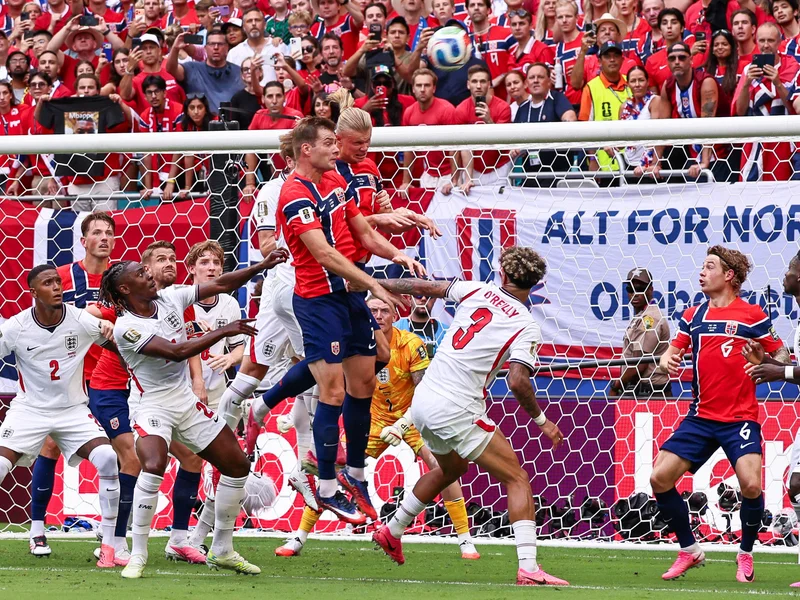
At the 2026 FIFA World CupCompetition·2026 FIFA World Cup, the chant returns with renewed force. England arrive in North America as one of the contenders, having qualified strongly and entered the tournament ranked among the world’s leading sides. The current squad, led on the pitch by Harry KanePlayer·Harry Kane, England’s all-time top scorer with 79 international goals, carries the weight of that “coming home” expectation into another global campaign.
The Football Association and broadcasters have leaned into the storyline, using “bring football home” as a recurring motif in official build-up material and promotional campaigns around the tournament. Imagery of players with the Three LionsTeam·The Three Lions crest features prominently, linking the modern team to both the 1996 anthem and the deeper history it evokes.
For supporters gathering in Kansas City, Dallas and beyond as England begin their group-stage journey against Croatia, the chant functions as a rallying cry. It is heard in pre-match marches, over public-address systems and in spontaneous bursts whenever momentum swings England’s way. Each repetition ties the present campaign to a wider saga of hope, heartbreak and renewed belief.
The phrase’s persistence across generations speaks to its versatility. For younger fans, “It’s coming home” is part of their first football memories, a soundtrack to recent tournament runs rather than distant history. For older supporters, it bridges 1966, Euro ’96 and every near-miss since, condensing decades of narrative into a single, singable line.
As England pursue another tilt at a major title, “Three LionsCompetition·Three Lions” once again provides the emotional framework. The tactical debates focus on formations, pressing structures and the use of creative players between the lines, but the soundtrack in the stands is familiar. Whatever happens on the pitch, four words will follow this team throughout the World Cup summer, carrying with them all the weight of English football’s past and the possibility of a different future: it is, once again, coming home.
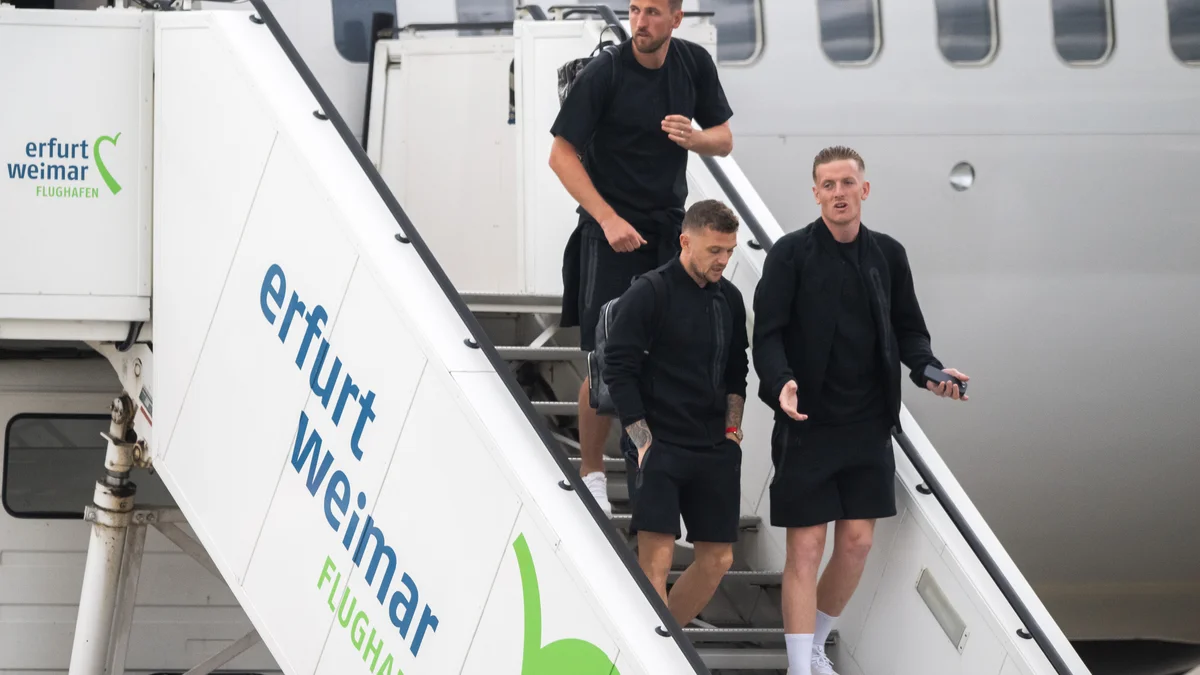
England's Harry Kane, Kieran Trippier, and Jordan Pickford arrive at Erfurt-Weimar Airport. Credit: Funke Foto Services/IMAGO
Funke Foto Services/IMAGOThis article was generated with the help of AI. Learn more.