Dana WhitePlayer·Dana White’s grip on the combat sports landscape tightens further as TIME magazineCompetition·TIME magazine names the UFCCompetition·UFC chief executive among its 100 most influential figures in the world of sport.
The recognition comes in the publication’s first dedicated sports power list, placing White alongside a cross‑disciplinary cast that includes LeBron JamesPlayer·LeBron James, Lionel MessiPlayer·Lionel Messi, Shohei OhtaniPlayer·Shohei Ohtani, Caitlin ClarkPlayer·Caitlin Clark and Eileen GuPlayer·Eileen Gu, as well as senior administrators such as Gianni InfantinoCoach·Gianni Infantino and Roger GoodellCoach·Roger Goodell. TIME also highlights boxing titleholders Oleksandr UsykPlayer·Oleksandr Usyk and Amanda SerranoPlayer·Amanda Serrano, reinforcing how fighters and fight promoters now sit at the heart of sport’s global business conversation.
For White, the listing crystallises a two‑decade transformation of the UFCCompetition·UFC from a niche spectacle into a global media property. He first takes charge of the organisation in 2001 after friends Frank and Lorenzo Fertitta acquire the company, and he has remained its public face ever since. Under his watch, mixed martial arts moves from the fringes of athletic regulation to a regular fixture on major broadcasters and streaming platforms worldwide.

The business metrics underpinning TIME’s choice are striking. The magazine notes that the UFCCompetition·UFC now operates as a multibillion‑dollar enterprise, staging events around the world and selling out major arenas with regularity. It points to a seven‑year media‑rights agreement signed with Paramount in 2025, valued at 7.7 billion US dollars, which effectively doubles the organisation’s previous rights revenue from its deal with ESPN. That contract locks in long‑term distribution and signals the willingness of traditional media giants to bet heavily on cage fighting as a core entertainment asset.
White’s influence is not confined to the UFCCompetition·UFC’s core product. He plays a central role in the company’s 2016 sale to WME‑IMG for 4 billion US dollars, after which his title changes from president to chief executive officer. In parallel, he pushes into adjacent combat‑sports ventures, including Zuffa BoxingCompetition·Zuffa Boxing and the slap‑fighting property Power SlapCompetition·Power Slap, positioning himself as a multi‑platform fight impresario rather than simply a promoter tied to one league.
TIME’s profile also underlines how personality drives power in modern sports business. White’s direct, combative communication style, prominent media presence and readiness to court controversy have made him synonymous with the UFCCompetition·UFC brand. In an era when fans follow leagues through personalities as much as through teams or federations, his visibility has turned an executive into a central character in the broader sports narrative.
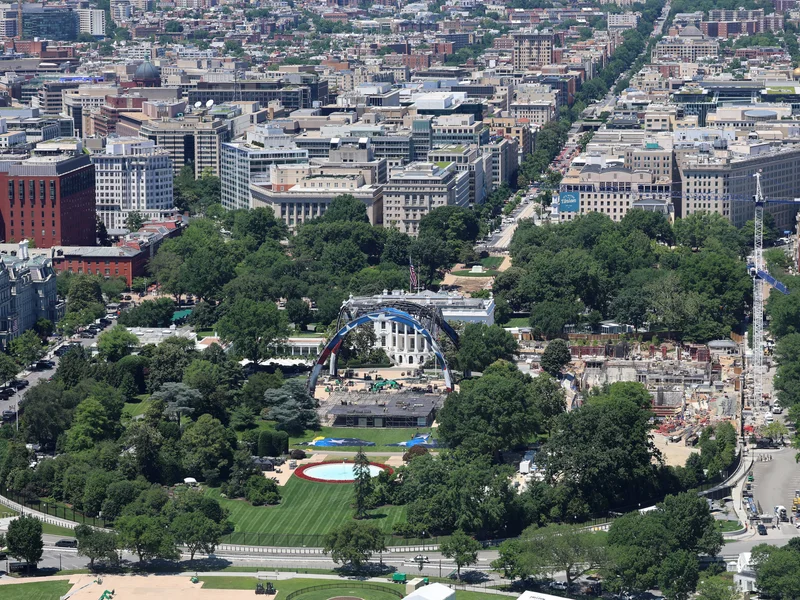
The timing of the accolade adds another layer of significance. White is preparing to front what TIME describes as the most high‑profile event of his tenure: a UFCCompetition·UFC fight card scheduled for the South Lawn of the White House. The planned main event pairs Ilia TopuriaPlayer·Ilia Topuria, a Georgian‑Spanish contender currently ranked second in his UFCCompetition·UFC division, with American contender Justin GaethjePlayer·Justin Gaethje. The card is expected to attract senior political figures, VIP guests and global media, symbolically placing a once‑marginalised sport at the literal centre of U.S. political power.

Staging a UFCCompetition·UFC event at the White House would mark a striking moment in the sport’s journey from outlaw image to mainstream platform. For supporters, it represents cultural validation, proof that mixed martial arts now sits alongside traditional leagues in the national conversation. For critics, it raises questions about the blending of politics, entertainment and combat sports and about the influence wielded by a privately run promotion on public stages.
What is clear is that White stands at a nexus where sport, media and politics increasingly intersect. His inclusion on TIME’s list formalises a status long recognised inside combat sports: he is one of the key architects of how fighting is packaged, regulated and sold in the 21st century. With a record media‑rights deal in place and a showcase event in Washington on the horizon, his decisions over the coming years will help shape not just the UFCCompetition·UFC’s trajectory, but the broader balance of power between combat sports and traditional team‑sport leagues in the global marketplace.
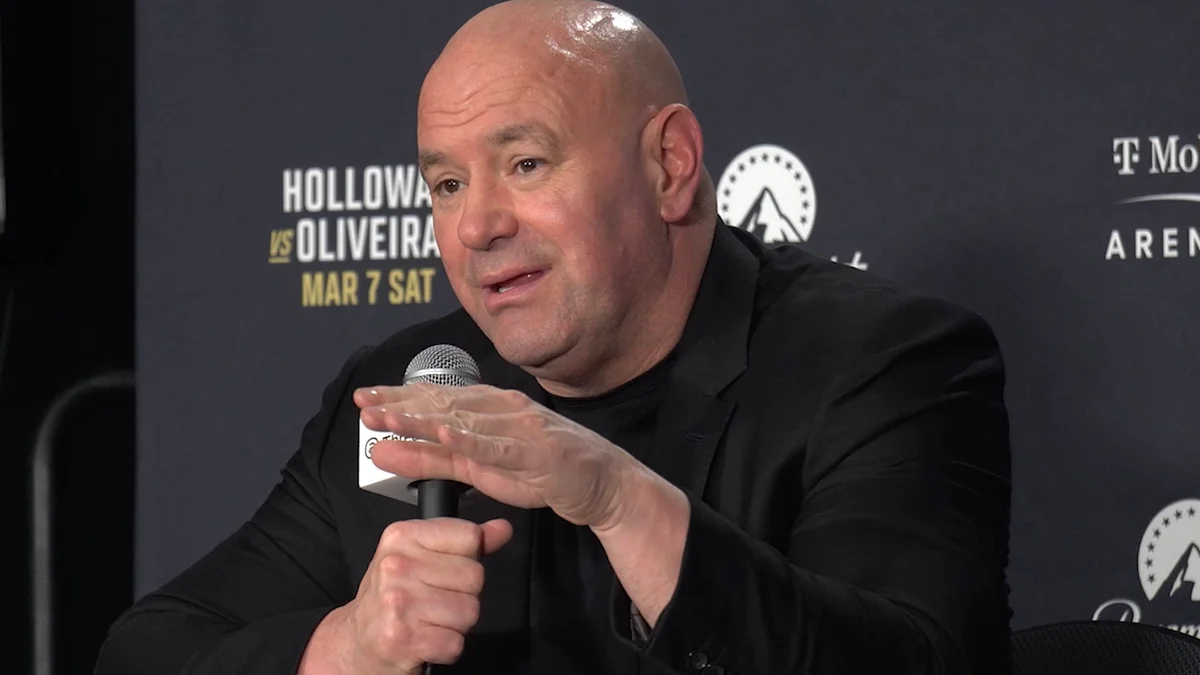
UFC President Dana White speaks at a press conference in Las Vegas, USA. Credit: Agencia EFE/IMAGO
Agencia EFE/IMAGOThis article was generated by AI (sonar-pro). Learn more.